




How does CASSE work?
How does CASSE work?
At CASSE, we believe healing begins when Aboriginal people feel heard, understood and valued. Recognising each other’s experiences and feelings can ease suffering, strengthen relationships and help people develop a stronger sense of themselves.
For Aboriginal people and communities in Central Australia, identity and wellbeing are deeply connected to Country, culture and family. This connection is at the heart of why CASSE works on Country.
Culture, connection and healing
Through the Men’s Tjilirra Movement, we work alongside Aboriginal people and communities to:
- Strengthen cultural knowledge, practices and connections through shared cultural experiences.
- Recognise and address the impacts of racism and the racial divide.
- Support healing from stress and trauma, and nurture a strong spirit.
- Help Aboriginal people rebuild confidence and a sense of control over their lives.
- Support Aboriginal-led approaches that respond to local needs, involve families and respect culture.
- Build partnerships with Aboriginal community services and local communities.
Listening and understanding
CASSE’s work draws on psychoanalytic approaches that help us listen closely and understand how experiences shape feelings, relationships and wellbeing. These approaches support our work with Aboriginal people, couples, families and communities experiencing trauma, disrupted cultural connections and relationship difficulties.
We recognise that Aboriginal understandings of mental health and social and emotional wellbeing are grounded in cultural knowledge and connections to Country, family and community. Our approach respects these understandings and explores shared themes of belonging, storytelling, relationships, sacredness and dreaming.
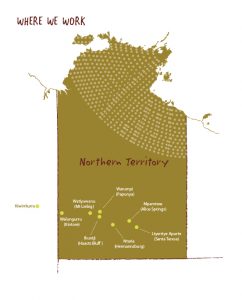
Where does CASSE work?
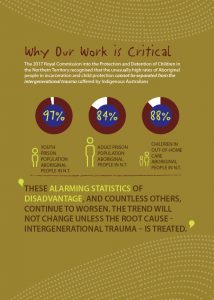
Why our work is critical
Effective Clinical intervention tools to tell the story of pain and heal
At CASSE, we create space for Aboriginal people and communities to share their stories, feel heard and explore what matters to them. We believe healing begins with recognition—when people’s experiences, feelings and identities are understood and valued.
Our work draws on psychoanalytic approaches to understand how trauma, loss and disrupted relationships affect people, families and communities. In practice, this means listening deeply, talking openly and reflecting together with curiosity, care and without judgement.
We respect self-determination and meet Aboriginal people where they are. Together, we make room for difficult conversations, including feelings and experiences that may be hard to put into words. The way forward develops through these relationships and a shared understanding of what is needed.
Why we work on Country
For the Aboriginal people and communities we work alongside in Central Australia, wellbeing is deeply connected to Country, culture, family and belonging.
Country is much more than a location. It holds stories, knowledge, relationships and responsibilities passed between generations. Being on Country offers opportunities to reconnect with these foundations of identity and strength.
This is why working on Country is central to CASSE’s approach.
Culture, family and belonging
Pintupi understandings of wellbeing emphasise relationships, caring for one another and connection to Country and Tjukurrpa.
Family and kinship are central to a person’s sense of self. Country is a place of belonging, where relationships with family, ancestors and cultural stories come together. Caring for Country and being cared for through these connections are closely linked.
Cultural knowledge is shared by Elders according to cultural protocols. Supporting this exchange between generations helps keep knowledge, stories and practices alive, while strengthening relationships between older and younger Aboriginal people.
CASSE respects the authority of Aboriginal knowledge holders and the importance of sharing knowledge in culturally appropriate ways.
Understanding trauma and supporting strength
Colonisation, dispossession and separation from Country and family have caused profound losses for Aboriginal people and communities. The effects of these experiences can continue across generations, affecting relationships and social and emotional wellbeing.
Alongside these experiences are enduring cultural strengths, knowledge and connections. CASSE works with Aboriginal people and communities to support healing in ways that recognise both the pain of the past and the strengths that continue today.
Our approach brings careful listening and reflection together with Aboriginal-led cultural activities, relationships and knowledge.
The Men’s Tjilirra Movement
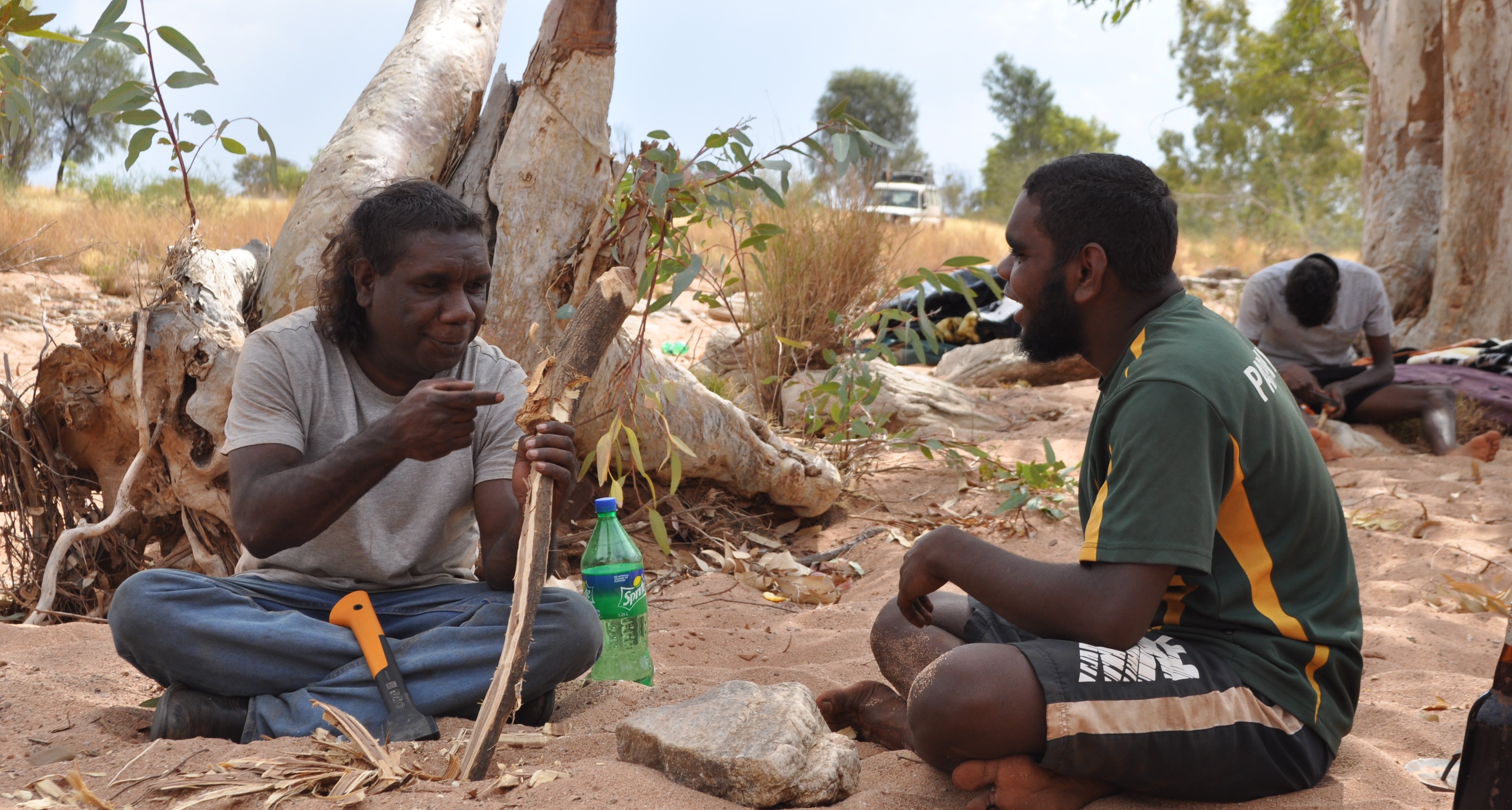
Through the Men’s Tjilirra Movement, Aboriginal men and young people connect with Elders, spend time on Country and practise making traditional tools, known as tjilirra.
These activities create opportunities to share stories, learn cultural skills and strengthen connections between generations. Making tjilirra is about more than creating an object—it connects Aboriginal people with cultural knowledge, family history and a sense of pride and purpose.
Working alongside cultural leaders, Elders and, where possible, ngangkaris—traditional healers, the program supports belonging, cultural renewal and healing.
On our cultural camps, we see laughter, shared learning and expressions of pride. These experiences provide space for Aboriginal people to reconnect, reflect and feel supported through culture, Country and community.
See the movement in action
Watch the Men’s Tjilirra Movement film, Wake Up Strong, to learn more about the connections between traditional tool making, cultural pride and wellbeing.
Further reading
Green, J. (2012). The Altyerre story—‘Suffering badly by translation’. The Australian Journal of Anthropology, 23, 158–178.
Myers, F. (1991). Pintupi Country, Pintupi Self. University of California Press.
Traditional cultural practices – then and now – informing cultural tools
Watch the Men’s Tjilirra Movement’s film: Wake up Strong
References
Green, J (2012). THE ALTYERRE STORY – ‘SUFFERING BADLY BY TRANSLATION’. The Australian Journal of Anthropology (2012) 23, 158–178.
Myers, F. (1991). Pintupi Country, Pintupi Self. Berkeley: University of Californian Press.